Owning a vehicle is a significant investment, and maintaining it properly can enhance its performance, safety, and resale value. Regular automotive maintenance is not just about fixing issues as they arise; it's about proactively ensuring that every component of your car functions optimally. Understanding the nuances of automotive care can seem daunting, but with the right knowledge and practices, you can easily keep your vehicle in top shape.
Regular Oil Changes
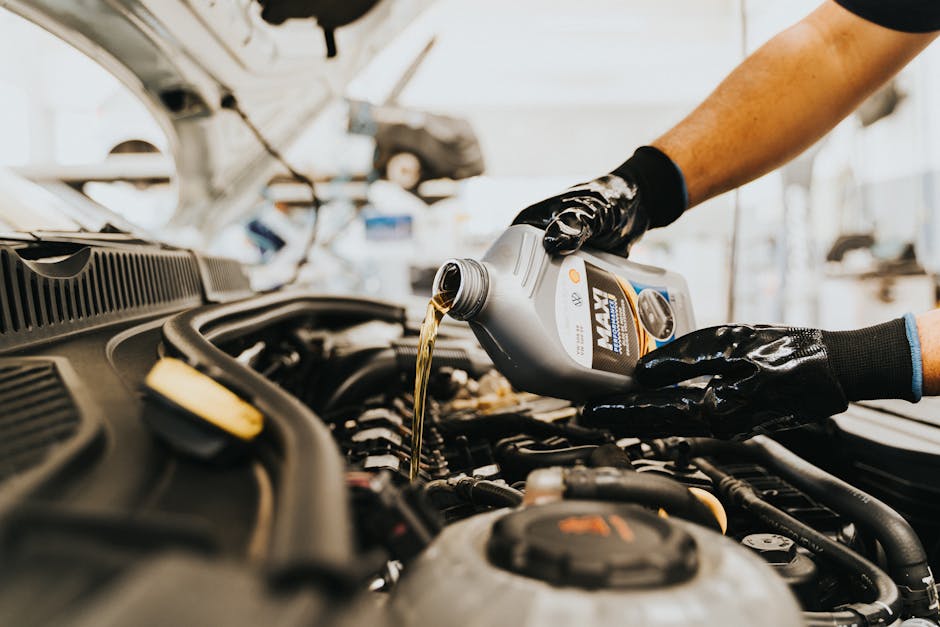
One of the most vital maintenance tasks is changing your engine oil regularly. Engine oil lubricates moving parts, reduces friction, and helps keep the engine cool. Over time, oil loses its effectiveness and can become contaminated with dirt and debris. Most manufacturers recommend changing the oil every 5,000 to 7,500 miles, but this can vary based on the type of oil used and driving conditions. For those interested in the details, you can refer to the Wikipedia page on engine oil.
Using high-quality synthetic oil can further enhance engine performance and longevity. Synthetic oils offer superior protection and can last longer than conventional oils. Additionally, always remember to replace the oil filter during an oil change to ensure that the new oil remains clean.
Tire Care and Maintenance
Tires are the only contact point between your vehicle and the road, making their maintenance crucial for safety and performance. Regularly checking tire pressure, tread depth, and overall condition can prevent blowouts and improve fuel efficiency. Under-inflated tires can reduce fuel economy by up to 3%, according to the U.S. Department of Energy.
Rotate your tires every 5,000 to 7,500 miles to ensure even wear, and align them if you notice any pulling to one side while driving. Maintaining proper tire alignment can enhance handling and improve tire life.
Brakes Inspection
Brakes are arguably one of the most critical safety features in your vehicle. Regular inspections can save lives and prevent costly repairs. Listen for any unusual noises, such as squeaking or grinding, which can indicate worn brake pads. Additionally, if you feel any vibrations when braking or if the brake pedal feels spongy, it's time to have them checked.
Most manufacturers recommend a brake inspection every 10,000 to 15,000 miles. During this inspection, a technician will check the brake pads, rotors, and fluid levels. Keeping your brake fluid at the proper level is essential for maintaining brake performance and responsiveness.

Battery Maintenance
A well-functioning battery is essential for starting your vehicle and powering its electrical systems. Regularly check for corrosion on battery terminals and ensure that the connections are tight. If your battery is more than three years old, consider having it tested, as older batteries can fail unexpectedly.
Extreme temperatures can also impact battery performance. In hot weather, the electrolyte in the battery can evaporate, while cold weather can reduce the battery's ability to deliver power. If you live in an area with extreme temperatures, investing in a battery blanket can help maintain optimal temperatures for your battery.
Fluid Checks
Your vehicle relies on various fluids to operate smoothly, including coolant, transmission fluid, brake fluid, and power steering fluid. Regularly checking and maintaining these fluids is vital for avoiding breakdowns and ensuring that systems operate correctly.
Coolant, for example, is essential for preventing your engine from overheating. Check the coolant level regularly and top it off as needed. Transmission fluid is equally important for smooth gear shifting; low fluid levels can lead to erratic shifting and potential transmission damage.
Air Filter Replacement
The air filter plays a crucial role in your vehicle's performance by ensuring that the engine receives clean air. A clogged air filter can reduce engine efficiency and fuel economy. Most manufacturers recommend replacing the air filter every 15,000 to 30,000 miles, but this can vary based on driving conditions. If you often drive in dusty areas or heavy traffic, consider checking it more frequently.
Replacing the cabin air filter is also essential for maintaining air quality inside your vehicle. A dirty cabin air filter can lead to poor airflow and unpleasant odors.
Conclusion
Proper automotive maintenance is the key to better vehicle performance and longevity. By following these tips and integrating regular checks into your routine, you can ensure that your vehicle remains in excellent condition. Whether you perform the maintenance yourself or take your car to a professional, being proactive about care can save you money in the long run and enhance your driving experience.