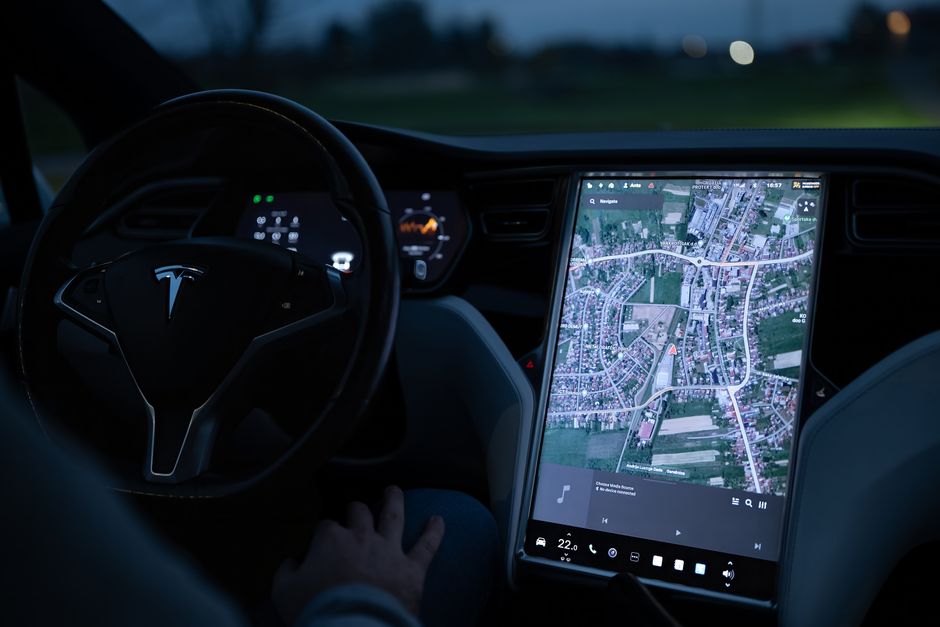
The landscape of transportation is undergoing a seismic shift, driven by the rapid evolution of automotive technology. From electric vehicles (EVs) to autonomous driving systems, the innovations in automotive technology are not only redefining how we travel, but also reshaping entire cities and economies. As we delve into these advancements, it becomes evident that the future of transportation is not merely about getting from point A to point B, but involves a complex interplay of sustainability, safety, and connectivity.
Electric Vehicles: The Green Revolution
One of the most significant changes in the automotive sector is the rise of electric vehicles. Countries around the world are making concerted efforts to reduce greenhouse gas emissions, and EVs are a cornerstone of this initiative. Major automakers such as Tesla, Ford, and General Motors are investing heavily in EV technology, with plans to transition their fleets to electric by 2030. A pivotal moment in this transition was the launch of the Tesla Model 3, which made electric mobility accessible to a wider audience.
According to a report by the International Energy Agency (IEA), sales of electric cars reached a record 6.6 million units in 2021 alone, and this trend is expected to continue. The shift to EVs is not only reducing reliance on fossil fuels but also stimulating the development of renewable energy sources. Charging infrastructure is expanding rapidly, with initiatives like the U.S. government's plan to install 500,000 new EV chargers by 2030 supporting this growth. As cities adapt to accommodate EVs, we are witnessing a transformation in urban planning and energy distribution.
Autonomous Vehicles: The Road to Safety and Efficiency
Alongside electric vehicles, the development of autonomous vehicles (AVs) is another groundbreaking aspect of automotive technology. Companies like Waymo, Uber, and traditional automakers are heavily investing in self-driving technology, anticipating a future where vehicles operate without human intervention. The potential benefits of AVs are immense, ranging from reduced traffic accidents to increased efficiency in transportation.
Real-world trials have shown promising results. For instance, Waymo has deployed its autonomous taxi service in Phoenix, Arizona, providing insights into how self-driving cars can navigate complex urban environments. The technology relies on advanced sensors, machine learning algorithms, and real-time data to interpret surroundings and make decisions. According to a report by the National Highway Traffic Safety Administration (NHTSA), approximately 94% of serious crashes are due to human error, highlighting the potential for AVs to enhance road safety significantly.

Vehicle Connectivity: The Internet of Things (IoT) on Wheels
Another critical aspect of automotive technology is the rise of vehicle connectivity. Modern vehicles are increasingly equipped with Internet of Things (IoT) capabilities, enabling them to communicate with each other and with infrastructure. This connectivity allows for real-time data exchange, which can optimize traffic flow, reduce congestion, and enhance overall safety.
For example, vehicle-to-everything (V2X) technology enables cars to share information with traffic lights, pedestrians, and other vehicles. This level of connectivity can lead to smarter cities where traffic management systems can adapt dynamically based on current conditions. The implementation of smart traffic signals that adjust based on real-time data is just one example of how this technology is being harnessed to improve the driving experience.
Challenges and Considerations
Despite the numerous advancements in automotive technology, several challenges remain. The transition to electric and autonomous vehicles requires significant investment in infrastructure and regulatory frameworks. For instance, the integration of AVs into existing traffic systems poses questions about liability, insurance, and the necessary changes to urban infrastructure.
Moreover, the environmental impact of battery production and disposal is a critical concern that needs addressing as the demand for EVs grows. The lifecycle of lithium-ion batteries, including their sourcing and recycling, must be managed sustainably to truly achieve the environmental benefits promised by electric mobility.
The Future of Transportation
Looking forward, the convergence of electric, autonomous, and connected vehicles holds the potential to revolutionize transportation as we know it. The concept of Mobility as a Service (MaaS) is gaining traction, where users can access various transportation services through a single digital platform. This could lead to a reduction in car ownership, promoting shared mobility solutions that are more sustainable.
In conclusion, automotive technology is not just changing how we drive; it is fundamentally altering the fabric of transportation itself. As we embrace these innovations, the vision of a cleaner, safer, and more efficient transportation system is becoming a reality. The ongoing collaboration between governments, industries, and consumers will be crucial in driving this evolution forward, ensuring that the benefits of these technologies are accessible to all.
For further insights into the impact of automotive technology on transportation, you can explore resources from the [International Energy Agency](https://www.iea.org), the [National Highway Traffic Safety Administration](https://www.nhtsa.gov), and [Wikipedia's overview of electric vehicles](https://en.wikipedia.org/wiki/Electric_vehicle).