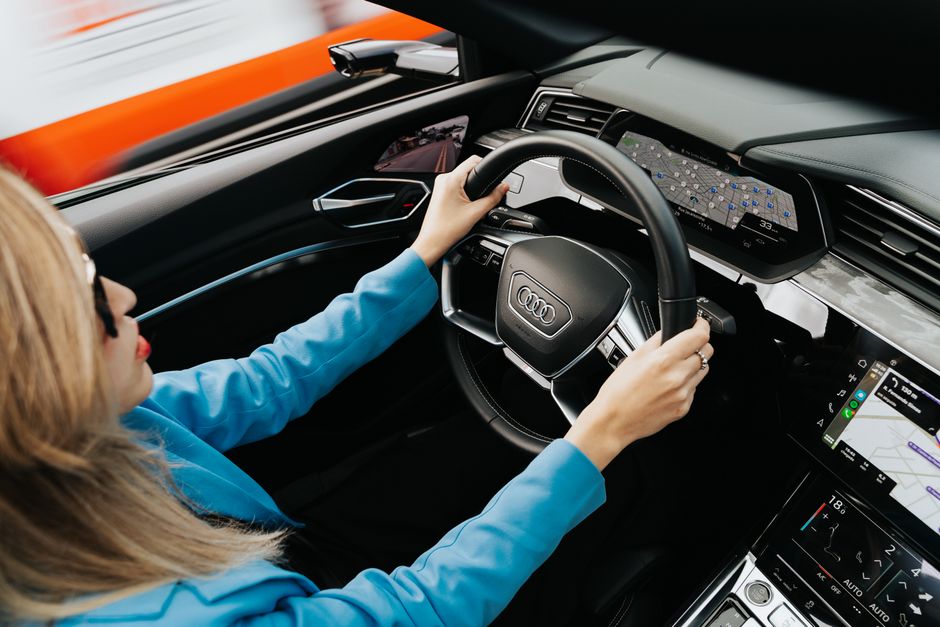
As the automotive landscape evolves, so too do the needs and expectations of modern drivers. With rapid advancements in technology, the average vehicle is now more than just a mode of transportation; it has transformed into a sophisticated platform for connectivity, safety, and efficiency. Smart automotive solutions are at the forefront of this evolution, offering drivers enhanced experiences that prioritize convenience, safety, and sustainability.
Connected Vehicles: The Backbone of Smart Solutions
Connected vehicles are equipped with internet access and various sensors that enable them to communicate with other devices and systems. This connectivity facilitates real-time data exchange, allowing for features such as navigation updates, remote diagnostics, and even over-the-air software updates. The integration of the Internet of Things (IoT) into automotive technology has paved the way for a new era of smart driving.
Real-World Example: Tesla's Autopilot
Tesla's Autopilot system exemplifies how connected technologies are redefining driving experiences. Utilizing a combination of cameras, ultrasonic sensors, and radar, Tesla vehicles can navigate highways, change lanes, and park autonomously. The real-time updates provided through Tesla's over-the-air software upgrades continually improve the vehicle's performance and safety features, demonstrating the potential of connected automotive technologies.
Enhanced Safety Features: Protecting Drivers and Passengers
Safety is a paramount concern for drivers worldwide, and smart automotive solutions are designed to address this need comprehensively. Advanced Driver Assistance Systems (ADAS) play a critical role in enhancing vehicle safety. These systems utilize sensors and cameras to monitor the vehicle's surroundings and provide warnings or automatic interventions to prevent accidents.
Key Safety Technologies
Some of the most prominent ADAS features include:

- Adaptive Cruise Control: This system automatically adjusts a vehicle's speed to maintain a safe following distance from the car ahead.
- Lane Keeping Assist: Lane-keeping systems help drivers stay within their lanes by providing steering assistance if the vehicle begins to drift.
- Automatic Emergency Braking: This technology detects potential collisions and applies the brakes if necessary to avoid or mitigate an accident.
According to the Insurance Institute for Highway Safety (IIHS), vehicles equipped with ADAS are significantly less likely to be involved in crashes, highlighting the effectiveness of these smart safety solutions.
Electric Vehicles: The Future of Sustainable Driving
With growing concerns over climate change and the need for sustainable transport options, electric vehicles (EVs) are becoming increasingly popular among modern drivers. Smart automotive solutions in EVs not only provide eco-friendly transportation but also integrate advanced technology that improves the overall driving experience.
Charging Infrastructure and Smart Grids
The development of charging infrastructure is crucial for the widespread adoption of electric vehicles. Smart charging stations equipped with real-time data capabilities allow drivers to locate available chargers and monitor charging status from their smartphones. Additionally, smart grids optimize energy distribution, making EV charging more efficient and sustainable.
For instance, companies such as ChargePoint are leading the charge by providing a comprehensive network of charging stations that are easily accessible, enabling drivers to transition to electric vehicles with confidence.
Vehicle-to-Everything (V2X) Communication
Vehicle-to-Everything (V2X) communication is an emerging technology that allows vehicles to communicate with each other, infrastructure, and even pedestrians. This interconnectedness aims to enhance road safety and traffic efficiency, significantly reducing congestion and accidents.
Real-World Implementation
Several cities around the world are experimenting with V2X technology to improve traffic management and safety. For example, the city of Philadelphia has initiated pilot projects that enable vehicles to communicate with traffic signals, allowing for optimized traffic flow and reduced wait times at intersections.
Smart Automotive Solutions and the Future
The automotive industry is at a crossroads, with smart solutions driving the next wave of innovation. As modern drivers increasingly demand vehicles that are not only efficient but also equipped with cutting-edge technology, manufacturers are poised to respond with features that enhance connectivity, safety, and sustainability.
From connected vehicles that share data with their environments to electric cars that support a greener future, smart automotive solutions are reshaping how we think about driving. As we move forward, the integration of these technologies will not only redefine our experiences on the road but also contribute to a more sustainable and connected world.