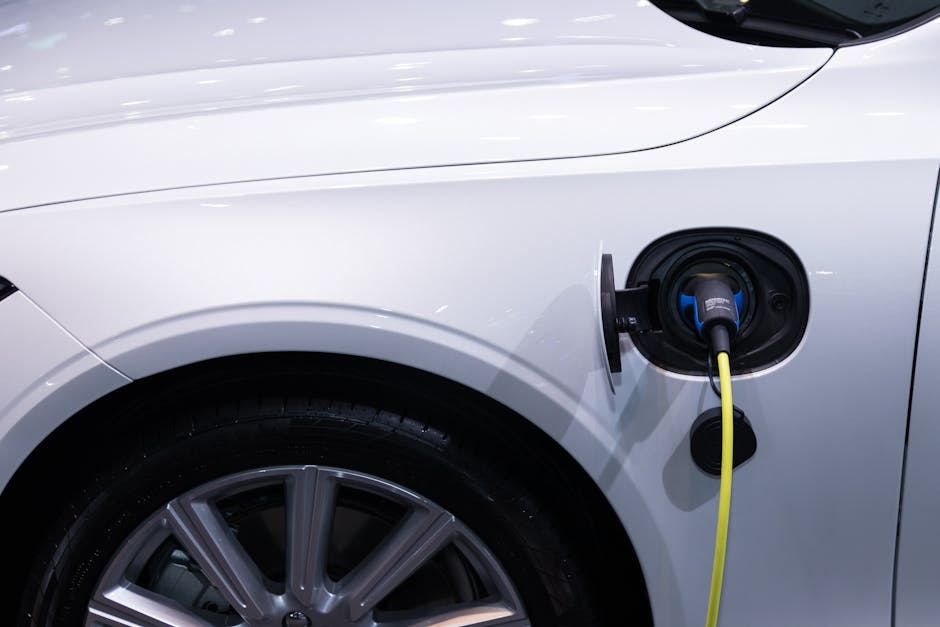
The electric vehicle (EV) revolution is reshaping the landscape of the automotive industry, driven by a confluence of technological advancements, regulatory pressures, and changing consumer preferences. As traditional automakers and new entrants alike pivot towards electric mobility, the future of electric automotive innovation is poised to redefine not only how we drive but also how we think about energy consumption, urban planning, and environmental sustainability.
Advancements in Battery Technology
At the heart of electric automotive innovation lies battery technology, which is crucial for determining the efficiency, range, and affordability of electric vehicles. Recent strides in lithium-ion battery technology have significantly improved energy density, leading to longer ranges and shorter charging times. Companies like Tesla have been at the forefront, continuously pushing the boundaries with innovations such as the 4680 battery cell, which promises to reduce costs and enhance performance.
Moreover, researchers are exploring alternative chemistries, such as solid-state batteries, which could potentially offer even greater energy capacities and safety. According to a report by the Reuters, solid-state batteries could revolutionize the EV market by enabling vehicles to travel over 500 miles on a single charge while significantly reducing charging times. This leap in battery technology will be critical in addressing range anxiety, which remains a significant barrier to widespread EV adoption.
Autonomous Driving Technologies
The integration of autonomous driving technologies represents another frontier in electric automotive innovation. Companies like Waymo and Tesla are pioneering advancements in self-driving capabilities, aiming to create safer and more efficient transportation systems. Electric vehicles are particularly well-suited for automation due to their reliance on sophisticated software for battery management and energy efficiency.
In 2023, Tesla's Full Self-Driving (FSD) system received significant updates, showcasing improved navigation and obstacle recognition capabilities. As autonomous vehicle technology matures, it is expected to lead to reduced traffic congestion, lower accident rates, and enhanced mobility for individuals unable to drive. Furthermore, the potential for shared autonomous electric vehicles could revolutionize urban transportation, decreasing the need for personal car ownership and contributing to a reduction in urban pollution levels.

Sustainable Manufacturing Practices
The future of electric automotive innovation is not only about the vehicles themselves but also about how they are produced. A shift towards sustainable manufacturing practices is essential for minimizing the environmental impact of electric vehicles. Leading manufacturers are now integrating circular economy principles into their production processes, focusing on recycling and reusing materials.
For instance, Ford has announced plans to utilize recycled materials in its EV manufacturing, aiming to create a more sustainable supply chain. The company's commitment to sustainability is further demonstrated by its investment in renewable energy to power production facilities. According to the Forbes, Ford is set to achieve 100% sustainable manufacturing by 2035, aligning its production practices with global sustainability goals.
The Role of Policy and Regulation
Government policies and regulations play a pivotal role in shaping the future of electric automotive innovation. Many countries are implementing stricter emissions standards and providing incentives for EV adoption, which has spurred investment in electric mobility. The European Union, for example, aims to phase out internal combustion engine vehicles by 2035, pushing automakers to accelerate their electric vehicle programs.
In the United States, the Biden administration has proposed significant investments to support EV infrastructure, including charging stations and manufacturing incentives. The proposed infrastructure bill is expected to allocate billions towards expanding the EV charging network, addressing one of the primary concerns for EV owners—charging accessibility.
Consumer Preferences and Market Trends
The shift towards electric vehicles is also being driven by changing consumer preferences. A growing awareness of climate change and a desire for sustainable living are prompting more consumers to consider electric vehicles as their next purchase. According to a recent survey from Edmunds, nearly half of potential car buyers are considering an electric vehicle for their next purchase, reflecting a significant shift in the automotive market.
Additionally, automakers are responding to this demand by expanding their electric vehicle offerings. Companies such as Volkswagen and General Motors are investing heavily in electric models, showcasing a commitment to meet consumer expectations while adhering to regulatory pressures. As the market continues to evolve, the competitive landscape will likely intensify, leading to greater innovation and more diverse options for consumers.
Conclusion
The future of electric automotive innovation is bright and multifaceted, driven by advancements in battery technology, autonomous driving, sustainable manufacturing practices, and evolving consumer preferences. As this landscape continues to evolve, it is clear that electric vehicles will play a crucial role in shaping the future of transportation. With ongoing investments, regulatory support, and technological breakthroughs, the electric automotive revolution is not merely on the horizon—it is here, and it is transforming the way we think about mobility.